Do you find yourself constantly reaching for the thickest pair of wool socks, even when the rest of your body feels comfortably warm? Or perhaps you have noticed a strange, prickling sensation in your toes at the end of a long day. If you regularly experience icy toes, unexpected numbness, or sudden cramping in your legs and feet, this may indicate an underlying vascular issue.
Foot discomfort can limit everyday activities like walking the dog, playing with grandchildren, or simply relaxing. You deserve to move through your day with ease, but underlying vascular issues can make that difficult. Let’s explore how poor circulation affects your feet, the warning signs you should never ignore, and what you can do to find lasting relief.
Why Are My Feet Always Cold? The Root of the Problem
To understand what is happening, it helps to look at your body’s plumbing system. Your heart works tirelessly to pump oxygen-rich blood down to your lower extremities. Because your feet are the furthest point from your heart, they are often the first to suffer when your vascular system is compromised.
When blood vessels narrow or become blocked—often due to age, diabetes, smoking, or peripheral artery disease (PAD)—the vital blood flow slows down. Without a steady supply of nutrient-rich blood, the temperature in your feet drops. However, reduced circulation affects more than just temperature.
Recognizing the Symptoms
Poor circulation in the feet can often trigger a chain of symptoms that develop progressively rather than in isolation. If you are experiencing vascular issues, you might notice:
- Chronic Coldness: No matter how many blankets you use, your feet remain stubbornly cold.
- Numbness and Tingling: A “pins and needles” sensation that doesn’t go away when you shift positions.
- Nerve Pain: Sharp, shooting pains or a burning sensation, especially at night.
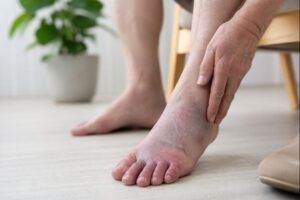
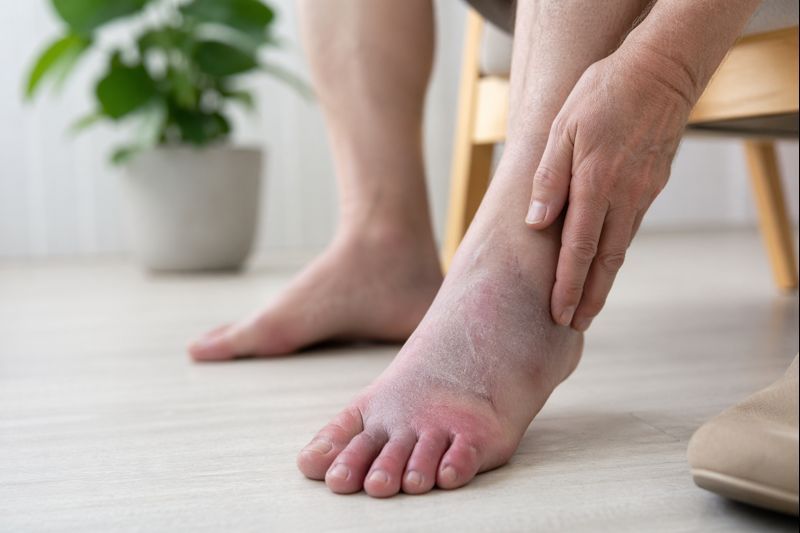
- Changes in Skin Color: Your toes may turn pale, blue, or red.
- Slower Healing: Scrapes, blisters, or cuts on your feet take unusually long to heal.
- Cramping: Pain in your calves or feet while walking that subsides with rest.
Beyond these visible symptoms, poor circulation can also affect deeper structures—particularly the nerves.
The Connection to Nerve Health
One of the most concerning complications of restricted blood flow is its impact on your nerves. Your nerves require oxygen and nutrients to function properly. When circulation is reduced, they may not function as they should and can become damaged over time.
This condition, known as neuropathy, is why you might experience excruciating nerve pain or, conversely, a complete loss of feeling. Ignoring these symptoms can lead to a dangerous situation where you might step on something sharp or develop a blister without ever feeling it, leaving you highly vulnerable to severe infections.
Know When to Seek Care
If you experience persistent coldness, non-healing wounds, or increasing numbness, it is important to seek medical evaluation promptly. This is even more critical if you have other underlying conditions such as diabetes, high blood pressure, high cholesterol, or have a family history of vascular disease.
Effective Remedies and Relief
The good news is that you don’t have to accept this discomfort as a normal part of aging. There are several proactive steps you can take to encourage healthy blood flow and protect your nerve health.
Movement and Exercise: Simple activities like walking, swimming, or even just doing ankle rotations while sitting at your desk can stimulate blood flow. Muscle contractions help pump blood back up toward your heart.
Smart Cold Feet Treatment: While heating pads might seem like an obvious cold feet treatment, they can actually be dangerous if you have neuropathy, as you might burn yourself without feeling it. Instead, opt for warm water foot baths (always check the temperature with your elbow first) and wear moisture-wicking, non-constricting socks.
Supportive Footwear: Tight shoes can physically compress your blood vessels and restrict flow. Wearing comfortable, supportive shoes with a wide toe box allows for natural movement.
Professional Medical Care: While at-home remedies may help with mild symptoms, progressive vascular issues and nerve pain require expert care. A podiatrist or vascular specialist can assess your blood flow, identify potential blockages, and determine the appropriate next steps. In some cases, they may use diagnostic tests such as an ankle-brachial index (ABI) or vascular imaging to evaluate circulation and guide treatment.
FAQ: Poor Circulation in the Feet
What causes poor circulation in the feet?
Poor circulation in the feet is most commonly caused by conditions that restrict blood flow, such as peripheral artery disease (PAD), diabetes, smoking, high cholesterol, and high blood pressure. As blood vessels narrow or become blocked, less oxygen-rich blood reaches the lower extremities, leading to symptoms like cold feet, numbness, and delayed healing.
What are the early signs of poor circulation in the feet?
Early signs often include persistently cold feet, tingling or “pins and needles” sensations, mild numbness, and occasional cramping in the legs or feet. These symptoms may appear gradually and are often dismissed, but they can indicate underlying vascular issues that require medical attention.
Can poor circulation cause nerve damage?
Yes. Poor circulation can reduce the supply of oxygen and nutrients to the nerves, leading to a condition called neuropathy. This may cause burning pain, sharp sensations, or even a loss of feeling in the feet. Over time, untreated neuropathy increases the risk of unnoticed injuries and infections.
When should I see a podiatrist for poor circulation?
You should seek medical evaluation if you experience persistent coldness, non-healing wounds, increasing numbness, or pain while walking that improves with rest. Prompt evaluation is especially important if you have diabetes, high blood pressure, high cholesterol, or a family history of vascular disease.
How is poor circulation in the feet diagnosed?
A podiatrist or vascular specialist may evaluate circulation using physical examination and diagnostic tests such as an ankle-brachial index (ABI), which compares blood pressure in the ankle and arm, or vascular imaging to identify blockages and assess blood flow.
How can I improve blood circulation in my feet at home?
Simple steps include regular walking, stretching, ankle rotations, elevating your feet when resting, and wearing properly fitted shoes. However, these measures support circulation and do not replace medical evaluation if symptoms persist.
What happens if poor circulation is left untreated?
If left untreated, poor circulation can lead to serious complications such as chronic pain, nerve damage, slow-healing wounds, infections, and foot ulcers. In severe cases, it can significantly impact mobility and overall health.
Don’t Let Poor Circulation Dictate Your Life
Waiting for the problem to resolve on its own is a risky gamble. Left untreated, poor circulation and neuropathy can lead to irreversible nerve damage, chronic pain, and dangerous foot ulcers that severely threaten your mobility. You should not have to live with ongoing discomfort or uncertainty about your foot health.
At Eastside Podiatry PLLC, our board-certified foot and ankle surgeons, Dr. Hatim Burhani and Dr. Siraj Panchbhaiya, diagnose and treat circulation-related foot conditions for patients across Macomb and Wayne County. We know exactly how to diagnose the root cause of your discomfort and create a personalized plan to restore your vascular and nerve health.
Ready to address the root cause of your foot pain and restore healthy circulation? Don’t wait until the numbness turns into a permanent problem. Take the first step toward comfortable, healthy feet today.