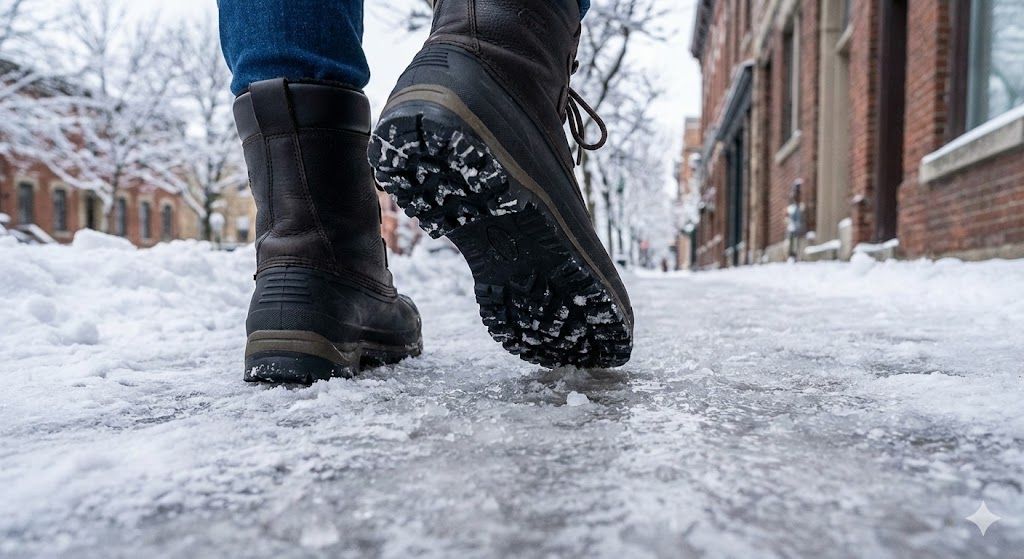
Winter in Michigan brings snow, ice, and challenging walking conditions. In Macomb County communities such as St. Clair Shores and Fraser, icy sidewalks, frozen slush, and uneven pavement increase the risk of slips and falls throughout the season.
Falls during winter are not always random accidents. In many cases, they result from reduced traction combined with foot and ankle instability. Understanding how your feet and ankles function—and how to support them properly—can significantly reduce your risk of injury and help you remain active throughout the winter months.
Why Winter Conditions Increase Fall Risk
Ice reduces friction, making it difficult for shoes to grip the ground. Freeze–thaw cycles often create slick, uneven surfaces that may not be immediately visible. Winter conditions increase fall risk in several additional ways:
- Snow can hide cracks, curbs, and uneven pavement
- Cold temperatures can reduce muscle responsiveness
- Wind and low visibility may cause people to rush or lose focus
When these environmental factors combine with underlying foot or ankle instability, the likelihood of a fall increases substantially.
The Importance of Foot and Ankle Stability
The foot and ankle work together to keep the body balanced over its base of support.
When alignment is compromised or stabilizing muscles are weak, the ankle may not respond quickly enough to correct a slip.
Common contributors to instability include:
- Overpronation (excessive inward rolling of the foot)
- High arches that limit shock absorption
- Prior ankle sprains that did not fully heal
- Weakness in the muscles surrounding the ankle joint
On icy surfaces, even minor instability can result in loss of balance.
Choosing Appropriate Winter Footwear
Proper winter footwear is an essential component of fall prevention. Supportive boots should include:
- A wide toe box to improve balance
- Rubber outsoles with deep tread for traction
- A firm heel counter to control rearfoot movement
Smooth or worn soles should be avoided, as they significantly increase slip risk. While appropriate footwear improves traction, it does not address internal foot alignment or ankle control.
How Custom Orthotics Improve Stability
Custom orthotics are often associated with treating foot pain, but they also play an important role in stability and fall prevention. Orthotics support the foot in a neutral position, improving alignment, and reducing excessive motion.
Proper alignment helps to:
- Keep the ankle upright and stable
- Improve balance reactions
- Reduce strain on ligaments and tendons
At Eastside Podiatry PLLC, custom orthotics are created using precise molds of each patient’s feet. These devices fit into winter footwear and provide consistent support that helps reduce the risk of slips and falls.
Strengthening the Ankle for Better Balance
Footwear and orthotics should be combined with muscular support. The ankle relies on small stabilizing muscles to respond quickly when balance is disrupted.
Targeted strengthening exercises can improve:
- Joint control
- Reaction time
- Proprioception (awareness of foot position)
Commonly recommended exercises include ankle mobility drills, single-leg balance exercises, and calf strengthening. These exercises help the ankle respond more effectively when encountering slippery surfaces.
When to Seek a Professional Evaluation
If you have a history of ankle sprains, repeated instability, or a sensation of the ankle “giving way,” a professional evaluation is recommended. Chronic ankle instability is common after untreated or poorly healed sprains.
A podiatric assessment can:
- Evaluate ligament strength and joint stability
- Identify biomechanical risk factors
- Determine whether orthotics or bracing are appropriate
- Reduce the risk of recurrent injury
Early evaluation can prevent minor issues from turning into long-term problems.
Our board-certified podiatrists at Eastside Podiatry PLLC—Dr. Burhani, Dr. Patel, and Dr. Panchbhaiya—are foot and ankle surgeons with extensive experience in ankle sprain treatment, structural realignment, and fall-risk reduction. They specialize in evaluating the biomechanics of how the body moves and interacts with the ground, allowing for precise, individualized treatment recommendations.
Why Prompt Treatment Matters
Walking on an untreated ankle injury can lead to improper healing. Ligaments that heal in a stretched position may result in long-term instability and increase the likelihood of future falls.
Symptoms that warrant evaluation include:
- Persistent swelling
- Ongoing pain
- Weakness or instability
- Repeated ankle rolling
Timely treatment helps restore strength and stability before winter conditions worsen.
Practical Tips for Walking Safely in Winter
In addition to medical care, the following strategies can help reduce fall risk:
- Take shorter, deliberate steps
- Keep knees slightly bent rather than locked
- Look ahead to anticipate surface changes
- Use handrails, door frames, or vehicles for support when needed
- Avoid carrying heavy items that limit balance
These adjustments help maintain proper body alignment on slippery surfaces.
Preventing Falls Protects Long-Term Mobility
Falls are a leading cause of serious injury, including ankle fractures, high ankle sprains, and hip injuries. These injuries often require prolonged recovery and can significantly affect independence and quality of life.
Addressing foot and ankle stability before an injury occurs is one of the most effective ways to reduce winter fall risk.
Schedule a Foot & Ankle Stability Assessment
If you live in St. Clair Shores, Fraser, or nearby communities and want to reduce your risk of winter falls, a professional foot and ankle assessment can help.
An evaluation may include:
- Gait and alignment analysis
- Footwear assessment
- Custom orthotic recommendations
- Ankle strengthening guidance
Your feet are the foundation of your mobility. Supporting them properly can help you move with confidence throughout the winter season.
📍 Visit podeastside.com or call to schedule an appointment at our St. Clair Shores or Fraser office.